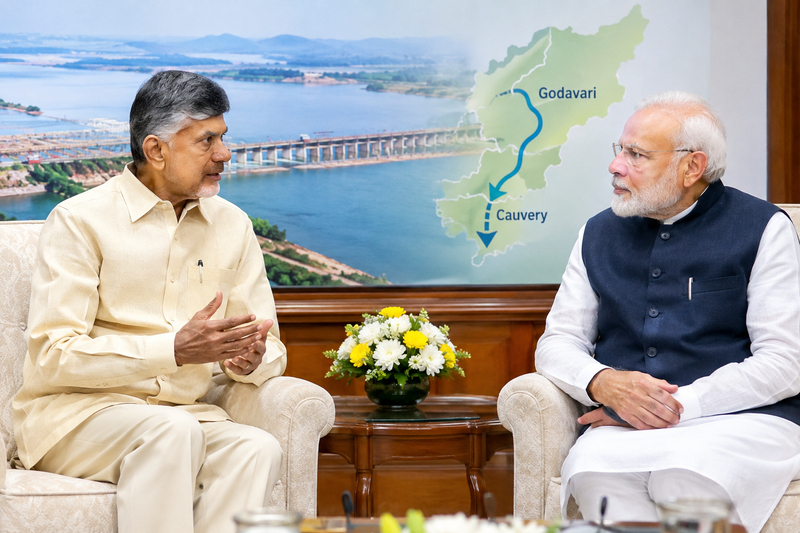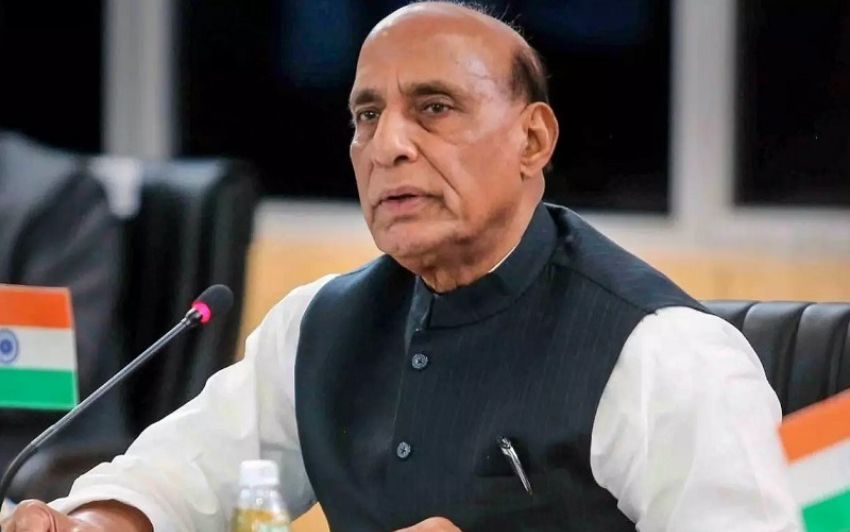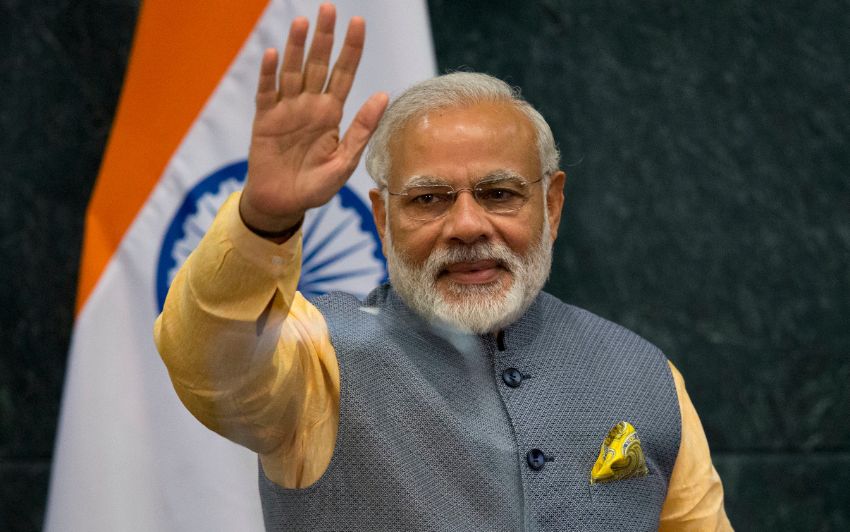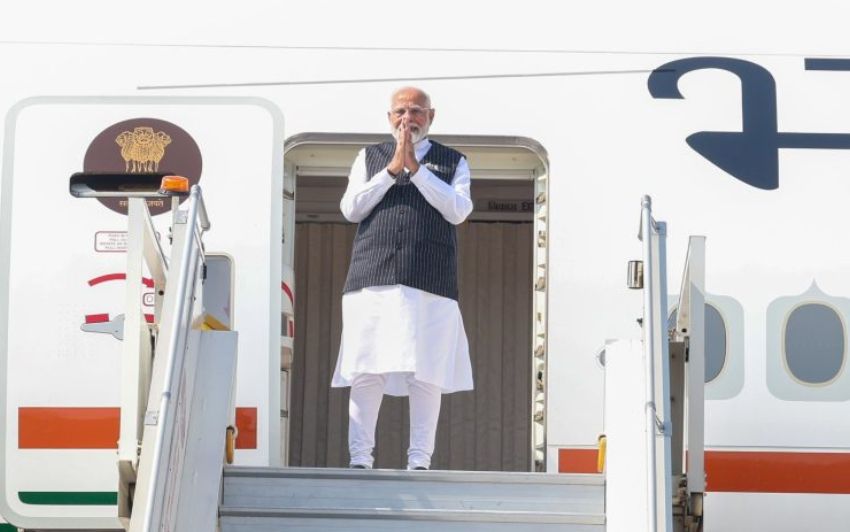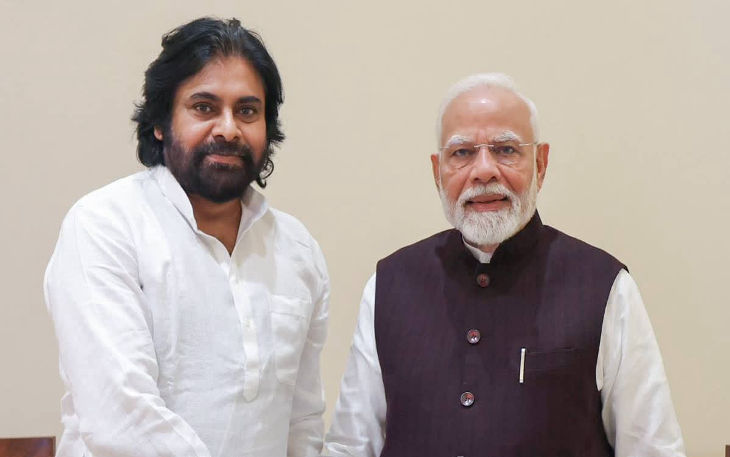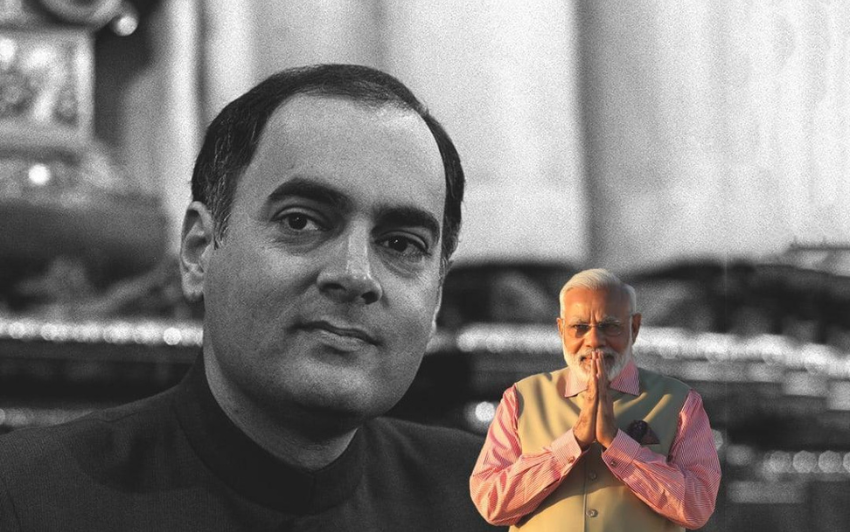

Narendra Damodardas Modi, popularly known as Narendra Modi, is the 14th and current Prime Minister of India, holding office since May 26, 2014. He is renowned for his transformative leadership, economic reforms, and visionary initiatives that aim to make India a global economic, technological, and strategic power. Modi’s journey—from humble beginnings in Vadnagar to the highest political office in India—is a story of resilience, dedication, and leadership.
Early Life and Background
Narendra Modi was born on September 17, 1950, in Vadnagar, Mehsana district, Gujarat, into a modest Gujarati family. His father, Damodardas Mulchand Modi, ran a small tea stall, and his mother, Heeraben Modi, managed the household. Modi often helped his father at the tea stall during his childhood, which instilled in him values of hard work, discipline, and resilience.
He completed his schooling in Vadnagar and later earned a Bachelor’s degree in Political Science from Delhi University. During his youth, Modi actively participated in social and cultural activities with the Rashtriya Swayamsevak Sangh (RSS), which shaped his leadership skills and political philosophy.
Early Political Career
Modi joined the Bharatiya Janata Party (BJP) in the early 1980s, where he initially worked in grassroots organizational roles. His talent for strategic planning, public outreach, and organizational management helped him rise quickly within the party ranks.
In 2001, Modi became the Chief Minister of Gujarat, beginning a 13-year tenure that would later serve as a springboard to national politics.
Chief Minister of Gujarat (2001–2014)
As Gujarat’s Chief Minister, Modi focused on economic growth, industrial development, infrastructure expansion, and efficient governance. Key highlights include:
- Economic Development: Gujarat emerged as one of India’s fastest-growing states.
- Infrastructure: Development of highways, ports, power plants, and industrial zones.
- Disaster Management: Effective rehabilitation and reconstruction programs after natural disasters.
- Social and Political Challenges: His tenure faced criticism over communal tensions but was also recognized for development initiatives.
Modi’s governance model in Gujarat earned him national recognition, paving the way for his nomination as the BJP’s Prime Ministerial candidate in 2013.
Prime Minister of India (2014–Present)
Narendra Modi became India’s Prime Minister on May 26, 2014, after BJP’s historic victory. His administration has focused on economic reforms, social programs, and global diplomacy.
Major Initiatives and Achievements
-
Economic Reforms
-
Make in India: Boosting manufacturing and entrepreneurship.
-
Digital India: Promoting digital infrastructure, e-governance, and technology adoption.
-
Goods and Services Tax (GST): Simplifying taxation and improving business efficiency.
-
Atmanirbhar Bharat: Encouraging local production and self-reliance.
-
-
Social Welfare Programs
-
Swachh Bharat Abhiyan: National cleanliness campaign and sanitation initiatives.
-
Pradhan Mantri Jan Dhan Yojana: Promoting financial inclusion.
-
Ayushman Bharat: Affordable healthcare for millions of underprivileged citizens.
-
Pradhan Mantri Ujjwala Yojana: Providing clean cooking fuel to rural households.
-
-
Infrastructure and Energy
-
Expansion of renewable energy projects, highways, railways, and smart cities initiatives.
-
Focus on sustainable development and environmental protection.
-
-
Foreign Policy
-
Strengthened diplomatic ties with global powers and neighboring countries.
-
Advocated for India’s strategic, economic, and technological influence on the world stage.
-
Promoted climate change mitigation and global renewable energy initiatives.
-
-
Recent Developments (2023–2025)
-
Leadership in global AI initiatives, emphasizing secure and ethical AI development.
-
Ongoing promotion of Start-Up India and innovation-driven economic policies.
-
Continued focus on youth empowerment, skill development, and global collaborations.
-
Re-Election in 2019
Modi’s leadership, policies, and nationwide outreach led to a landslide victory in the 2019 general elections, solidifying his mandate for a second term.
Vision and Philosophy
Modi’s philosophy emphasizes:
- Inclusive Development: Economic growth with social equity.
- Technological Innovation: Leveraging digital tools and AI for governance and business.
- Youth Empowerment: Encouraging entrepreneurship and skill-building programs.
- Ethical Governance: Transparency, accountability, and integrity.
- National Pride: Promoting self-reliance (Atmanirbhar Bharat), cultural heritage, and unity.
Awards and Recognition
Narendra Modi has been recognized globally for his leadership and governance:
- Numerous honorary doctorates and international awards.
- Acclaimed for transformative economic and digital initiatives.
- Recognized for strengthening India’s global diplomatic and strategic position.
Challenges and Criticism
While Modi’s tenure has been transformative, it has faced scrutiny:
- Economic Disruptions: Demonetization and GST rollout caused short-term challenges.
- Social Issues: Farmers’ protests, communal tensions, and civil liberties debates.
- Geopolitical Challenges: Balancing relations with global powers and regional neighbors.
Despite criticisms, Modi’s popularity remains strong, particularly due to his development-oriented policies and mass outreach.
Legacy and Impact
From a small tea stall in Vadnagar to the Prime Minister of India, Narendra Modi’s life exemplifies resilience, vision, and leadership. His initiatives in governance, technology, economy, and social welfare have reshaped India’s national and global image.
Modi’s vision for Atmanirbhar Bharat, youth development, and global collaboration continues to inspire millions across India.
Conclusion
Narendra Modi is not just a political leader; he is a visionary shaping India’s future. His journey symbolizes hard work, determination, and national service. From Gujarat Chief Minister to Prime Minister, his policies, governance, and global diplomacy continue to influence India’s trajectory toward a prosperous, self-reliant, and globally respected nation.