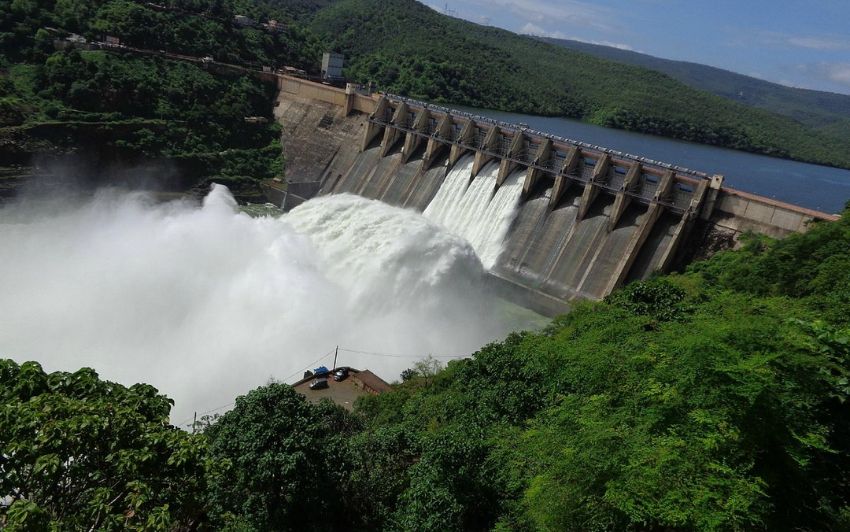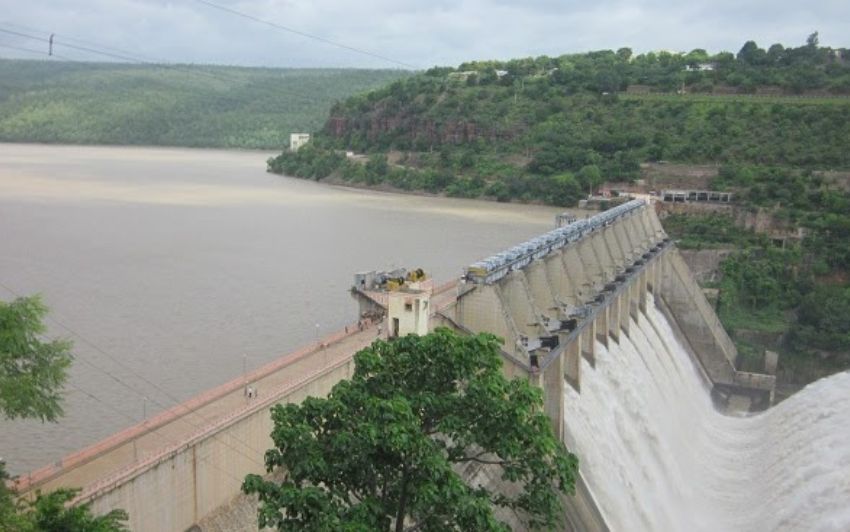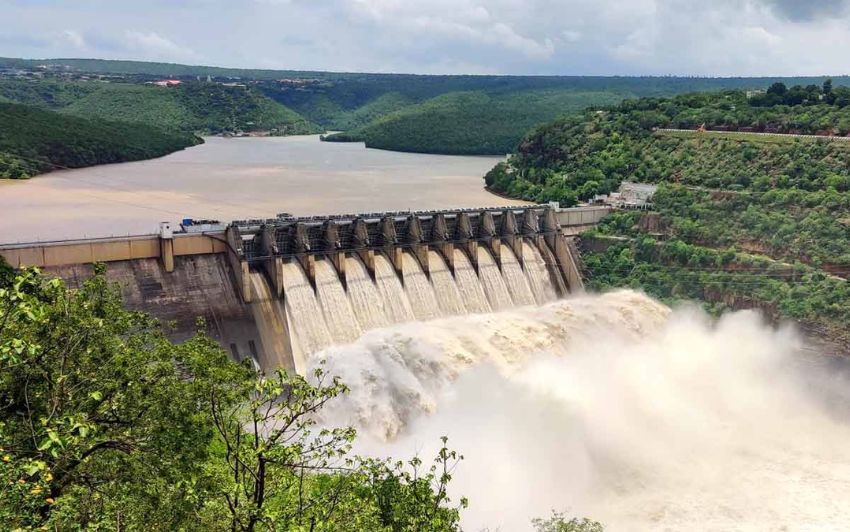
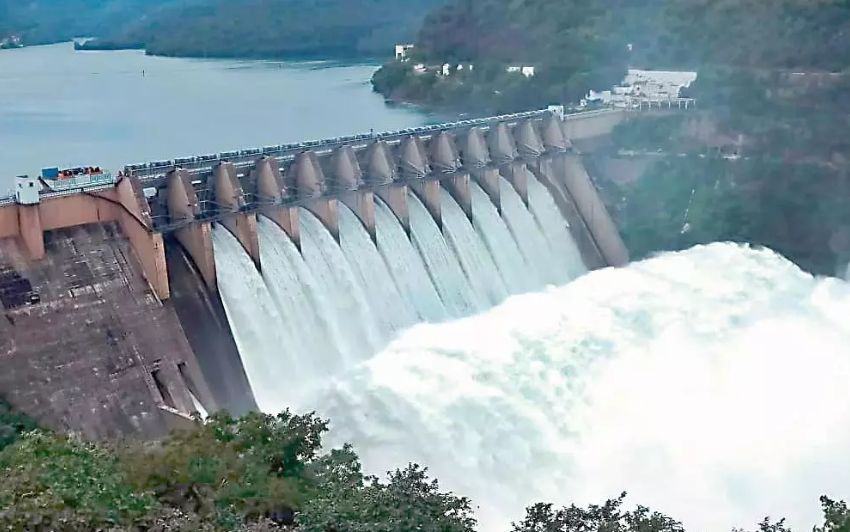
This season, Srisailam has witnessed an unprecedented flood with a total inflow of 2,105 TMCs, the highest in its history. While the reservoir is brimming with water, serious concerns are rising about dam safety. Experts have reported that previous floods have weakened the dam structure, adding to the risk.
The flood this year surpassed all past records. Previously, in 1994-95, the inflow was 2,039.23 TMCs, and in 2022-23, it was 2,039.87 TMCs. Authorities estimate that another 100 TMCs of water may enter before the season ends. Meanwhile, 1,382 TMCs flowed from the Krishna basin and 3,905 TMCs from the Godavari into the sea.
The flood has raised questions about the structural stability of Srisailam Dam. A massive plunge pool formed downstream is about 120 meters deep, exceeding the depth of the dam foundation, raising safety concerns. Geological surveys have previously identified weak shear zones under the dam, which could be affected by this deep pool, according to the National Dam Safety Authority (NDSA).
Historical floods, like the 25.5 lakh cusecs flood in October 2009 that lasted around 78 hours, severely damaged the dam. In response to current risks, the Telangana government has urged central agencies to take immediate safety measures. NDSA and the Central Water Commission (CWC) have intervened, while the Andhra Pradesh government is preparing for repairs as soon as water levels recede.