

S. V. Ranga Rao (1918–1974) – The Iconic Actor of Telugu Cinema
Introduction
Samarla Venkata Ranga Rao, popularly known as S. V. Ranga Rao (SVR), was one of the most versatile and respected actors in Telugu and Tamil cinema. Renowned for his powerful screen presence, deep voice, and ability to portray complex characters, he left an indelible mark on Indian cinema. Often called the “Nata Simham” (Lion of Acting), SVR is remembered for his classical acting style and iconic roles in mythological, social, and historical films.
Early Life
S. V. Ranga Rao was born on July 3, 1918, in Nuzvid, Krishna district, Andhra Pradesh. He belonged to a Telugu-speaking family and grew up immersed in traditional arts and culture. From a young age, he displayed interest in acting and theater, which laid the foundation for his later cinematic career.
Despite limited formal education, SVR showed remarkable talent in performance arts and developed a deep understanding of human emotions, which became the hallmark of his acting style.
Career in Cinema
SVR began his career in theater before transitioning to films. He made his debut in the early 1940s and quickly became known for his strong character roles.
Image Gallery
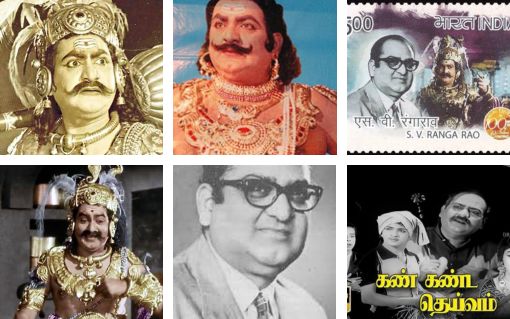
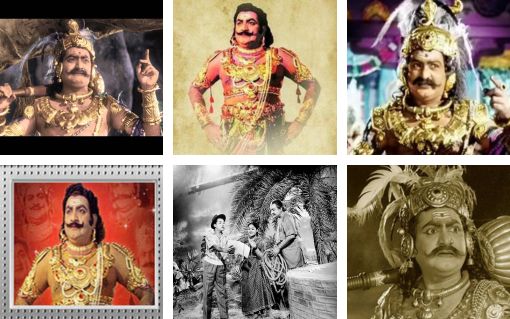
Rise to Stardom
His portrayal of Ghatotkacha in “Mayabazar” (1957) remains iconic and is still celebrated for its perfect blend of humor, strength, and emotion.
He gained recognition for his roles in mythological films such as “Lava Kusa” (1963) and “Nartanasala” (1963), where his commanding presence and dialogue delivery stood out.
SVR was equally effective in social dramas and historical films, proving his versatility across genres.
Acting Style
- Known for his deep, resonant voice and commanding expressions.
- Excelled in portraying villains, kings, and noble characters with authenticity.
- Balanced intensity and subtlety, making his performances memorable and timeless.
Awards and Recognition
S. V. Ranga Rao received widespread recognition for his contribution to Indian cinema:
- National Film Award for Best Actor for the Telugu film “Narthanasala”.
- Several Filmfare Awards and state awards for his outstanding performances.
- International recognition for films like “Mahakavi Kalidas”, which showcased his acting on a global stage.
Personal Life
SVR was known as a humble, disciplined, and learned personality off-screen. He had a deep interest in literature, classical arts, and traditional culture, which influenced his acting and made him a respected figure in the artistic community.
Death and Legacy
S. V. Ranga Rao passed away on July 18, 1974, at the age of 56. His contribution to Telugu and Tamil cinema continues to inspire actors and filmmakers.
Legacy
- Considered a benchmark for method acting in South Indian cinema.
- His performances in mythological films are still studied and appreciated for their depth and authenticity.
- SVR’s portrayal of characters like Ghatotkacha, Bhima, and Narada remain iconic, defining the golden era of Telugu cinema.
- Honored posthumously through awards, film retrospectives, and tributes in Indian cinema circles.
Conclusion
S. V. Ranga Rao remains a legendary figure in Indian cinema, celebrated for his versatility, commanding screen presence, and timeless performances. From mythological epics to social dramas, he brought every character to life with unmatched skill, earning a permanent place in the hearts of movie lovers.